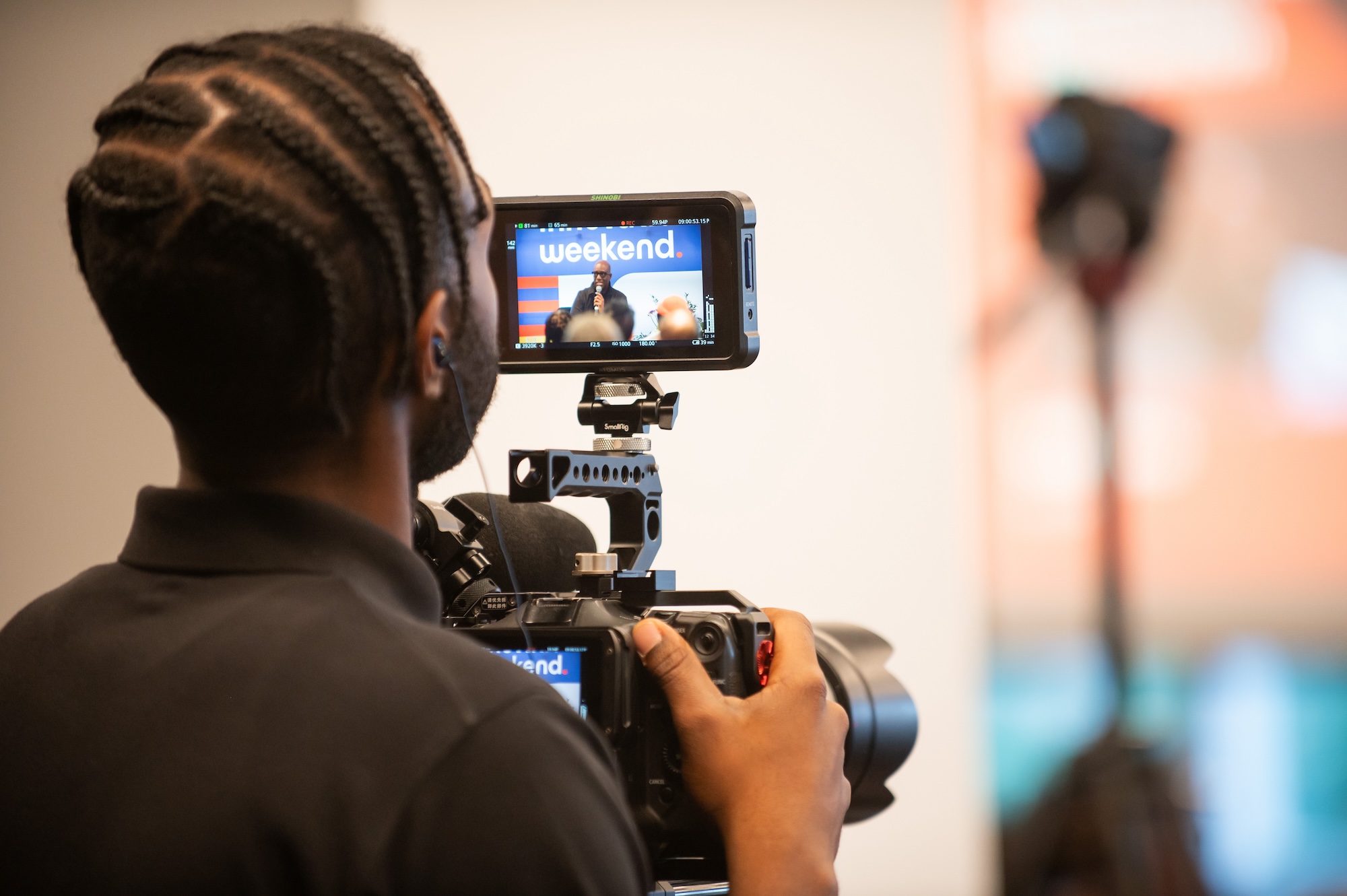
By Sophia Pearson
At 1Philadelphia’s Future Forward Summit, grit, creativity and a push for equitable innovation defined the city’s tech trajectory.
Philadelphia’s tech community gathered with one question in the air: What does the future of tech look like, and who gets to shape it?
At 1Philadelphia’s Future Forward Summit – part of its fourth annual Innovation Weekend – founders, investors and community leaders zeroed in on a shared theme: as AI accelerates, the power of human ingenuity and community remains the city’s strongest competitive edge.
A city built on grit seeks a system built for longevity
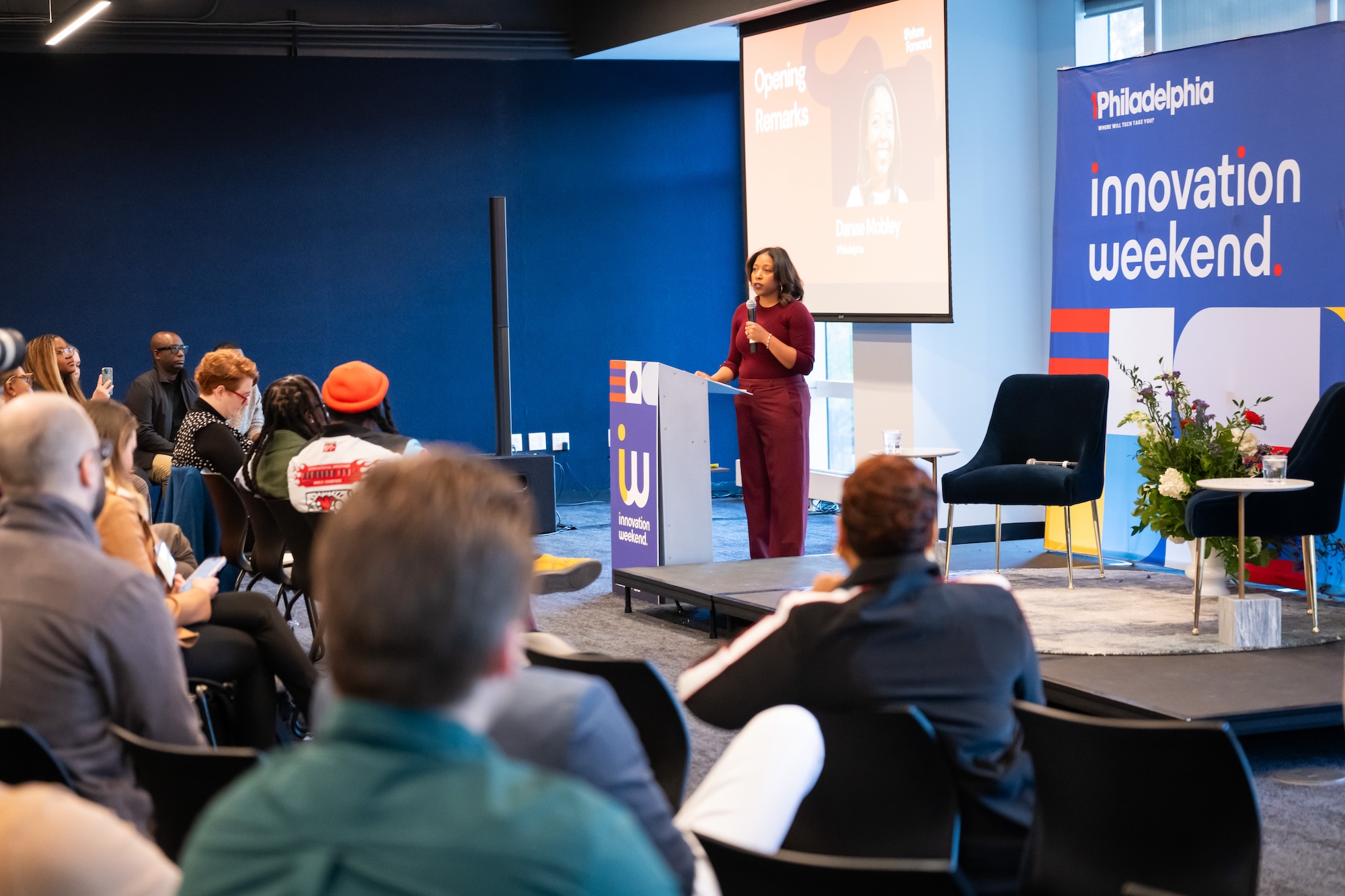
1Philadelphia Executive Director Danae Mobley opened the summit by reflecting on the organization’s 2020 origins.
“We started 1Philadelphia in late 2020 with a question: How do we make Philly tech look like Philly while making sure we show up on the global stage?” Mobley said.
Now entering its fifth year, she framed this moment as one of recalibration – building the conditions for early-stage startups to not just launch but stay and scale in the region.
“Progress is possible, but progress is fragile,” she said. “We need the endurance and the fortitude to keep going when it all seems hard. It’s time to move forward together.”
The idea of endurance became a through line for the day’s conversations. Attendees repeatedly returned to the challenge and opportunity of solidifying what many describe as the city’s signature trait: a foundational hustle that has fueled generations of builders but has yet to translate into a fully resourced, founder-friendly ecosystem.
Stacy Spikes on resilience, inequity and the AI advantage
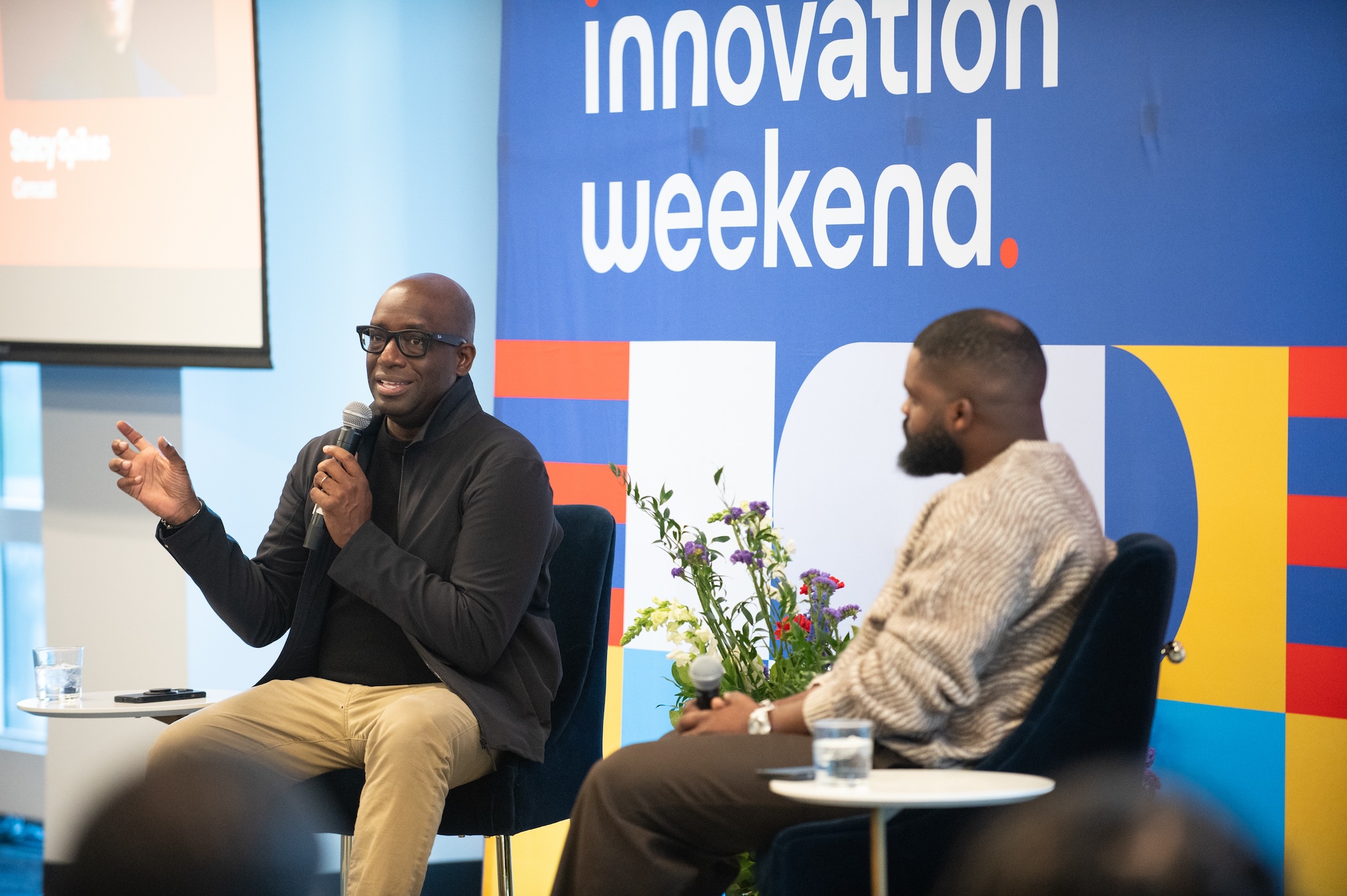
One of the most anticipated sessions came from MoviePass co-founder and CEO Stacy Spikes, whose story of disruption, collapse and reinvention is chronicled in a recent Netflix documentary.
Speaking to a packed room, Spikes shared a candid assessment of the systemic barriers founders of color continue to face.
“We’re living in a time of financial apartheid,” he said, noting that Black founders received less than 1% of U.S. venture capital funding in 2024, and that combined Black and Latino founders have historically captured only 2-3% of total VC dollars.
Spikes described taking five years to raise $10 million for MoviePass, only to watch private- equity investors who later took control raise $250 million in a single month.
“Those ceilings are real,” he said. “You have to mentally prepare for that.”
Still, he argued that AI could level the playing field. “AI is bringing the costs down in areas we haven’t been able to play because the cost of entry is so high,” he said.
His advice to founders was simple: trust your instincts.
“Don’t worry about changing the market,” Spikes said. “Do what you do well. Take what you know. Take what you love, and you be you.”
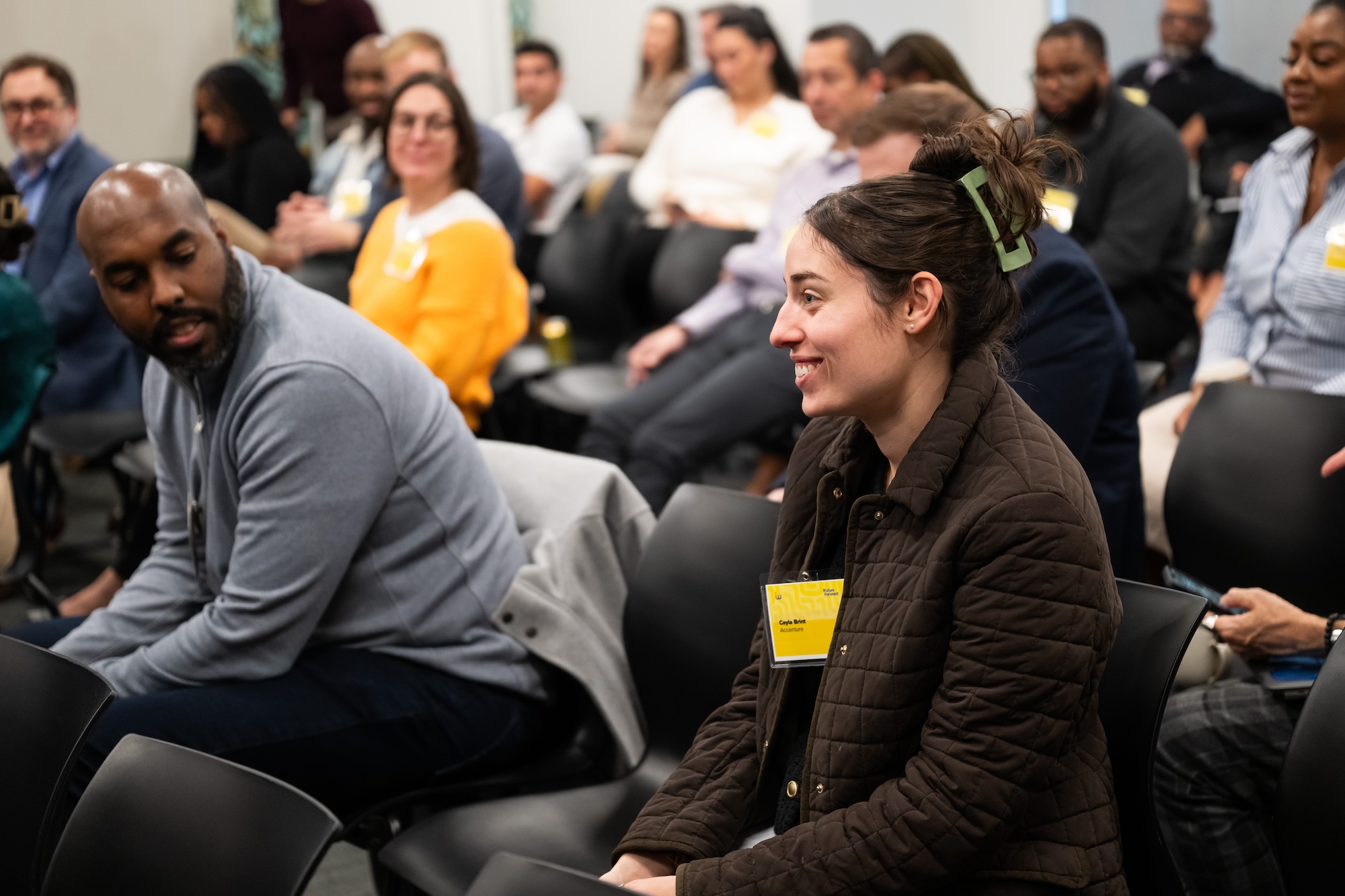
The session drew founders not only from the region but from Tulsa and Salt Lake City – a group supported by 1Philadelphia’s Founder Discovery Experience, which invites founders from across the country to explore Philadelphia’s thriving ecosystem and expand their networks.
How Philly compares to other tech hubs
While the city is the nation’s sixth largest and home to a deep bench of Black and brown talent, local founders say the region’s greatest hurdle remains access to capital.
For additional context, speakers pointed to how Philadelphia stacks up against other major ecosystems. San Francisco still commands the lion’s share of venture capital, capturing about 24% of all U.S. VC funding and nearly half of global AI investment in 2024. Austin continues its rise as a high-growth tech magnet with more than 4,500 startups and roughly $4 billion in VC investment last year.
Philadelphia isn’t matching those volumes yet, but it’s gaining ground. The region secured $3.3 billion across 444 deals in 2024, and Startup Genome now ranks Philly among the top global ecosystems, with a $76 billion ecosystem value – far above the global average. And with a cost of living nearly 30% lower than San Francisco, founders here can extend runway and reinvest more of their capital into product and talent.
A dense ecosystem seeking deeper cohesion
Philly’s density, many argued, is one of its greatest strengths. During the “Philly Versus: Tech Ecosystem Lessons from Paris, Silicon Valley, and Austin” panel, speakers emphasized the need for deeper technical knowledge-sharing to go alongside the city’s strong entrepreneurial collaboration. They highlighted the 30th Street Corridor as a prime candidate for Philadelphia’s next major innovation district.
In response to a founder’s question about whether the city still feels fragmented, panelists recommended leveraging the region’s rich slate of networking events – and its many “super connectors” – to build cohesion across communities that sometimes operate in silos.

Cautious optimism as momentum shifts
Despite lingering gaps in access to capital, several attendees voiced optimism about the region’s trajectory. Investor Grace Francisco, a panelist who built her early career in Silicon Valley, noted the halo effect of private capital pouring into Pennsylvania’s growing AI infrastructure, including more than $90 billion for new data centers.
“We should get the energy going in that direction,” she said. “There’s lots of momentum in Philadelphia,” though she acknowledged the region has historically been slow to adopt emerging technologies.
Others pointed to talent, reskilling and community knowledge gaps as areas where the city can make immediate gains.
Lindsay Fitzpatrick, a recruiter who introduced herself as the “AI career whisperer,” said the enthusiasm she saw across sessions suggests founders are ready to adapt. “We’re all in this together, so we have to figure it out,” she said.
Mari Rogers of the University City Science Center echoed that sentiment, emphasizing the urgency of helping founders “close the gap in knowledge” as AI reshapes every industry.
A future guided by community, not just code
If there was a theme that carried through every conversation, it was this: Philadelphia’s next tech chapter won’t be shaped solely by algorithms or the flow of capital. The city’s edge is the creativity, resilience and community-driven ethos that brought its builders together in the first place.
If the ambition expressed at the Future Forward Summit becomes reality, Philadelphia won’t just keep pace in the next wave of tech – it may just help define it.